Jewelry anatomy & construction
- Components of a ring
- Jewelry chain clasps
- Earring backs and closures
- Solitaire ring head styles
- Designing rings for durability
 Shine JewelryStart a conversation
Available now
Select a guide below. Each one opens as its own page and can be shared directly with retailers or customers.
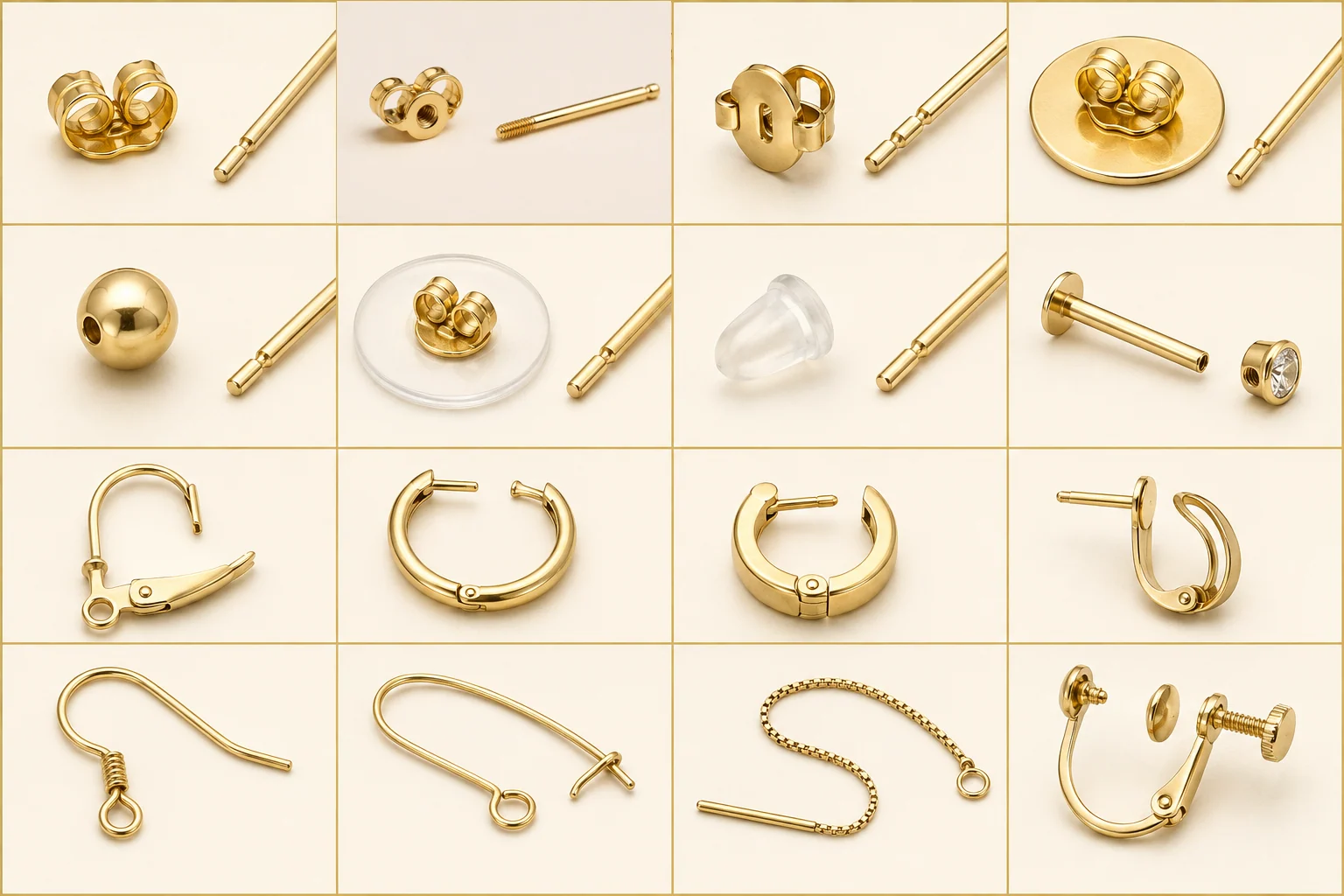
Construction & wear reference
Compare 16 practical systems, including butterfly, screw, locking, jumbo, ball, flat-back, hoop, wire, and non-pierced closures.
Read the guide →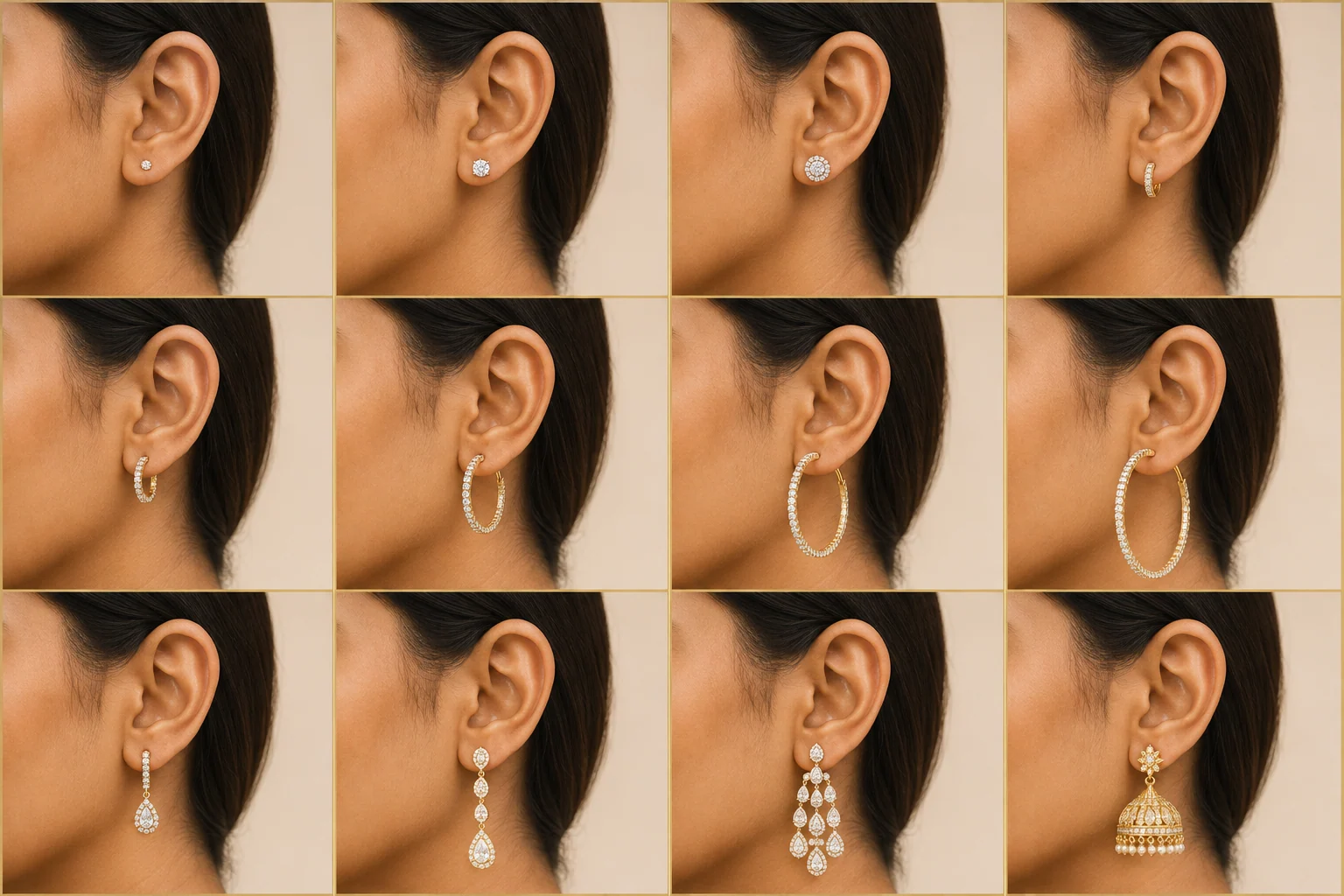
Fit & measurement reference
Compare studs, huggies, 20–60 mm diamond hoops, drops, chandeliers, and jhumkas on one consistent ear scale.
Read the guide →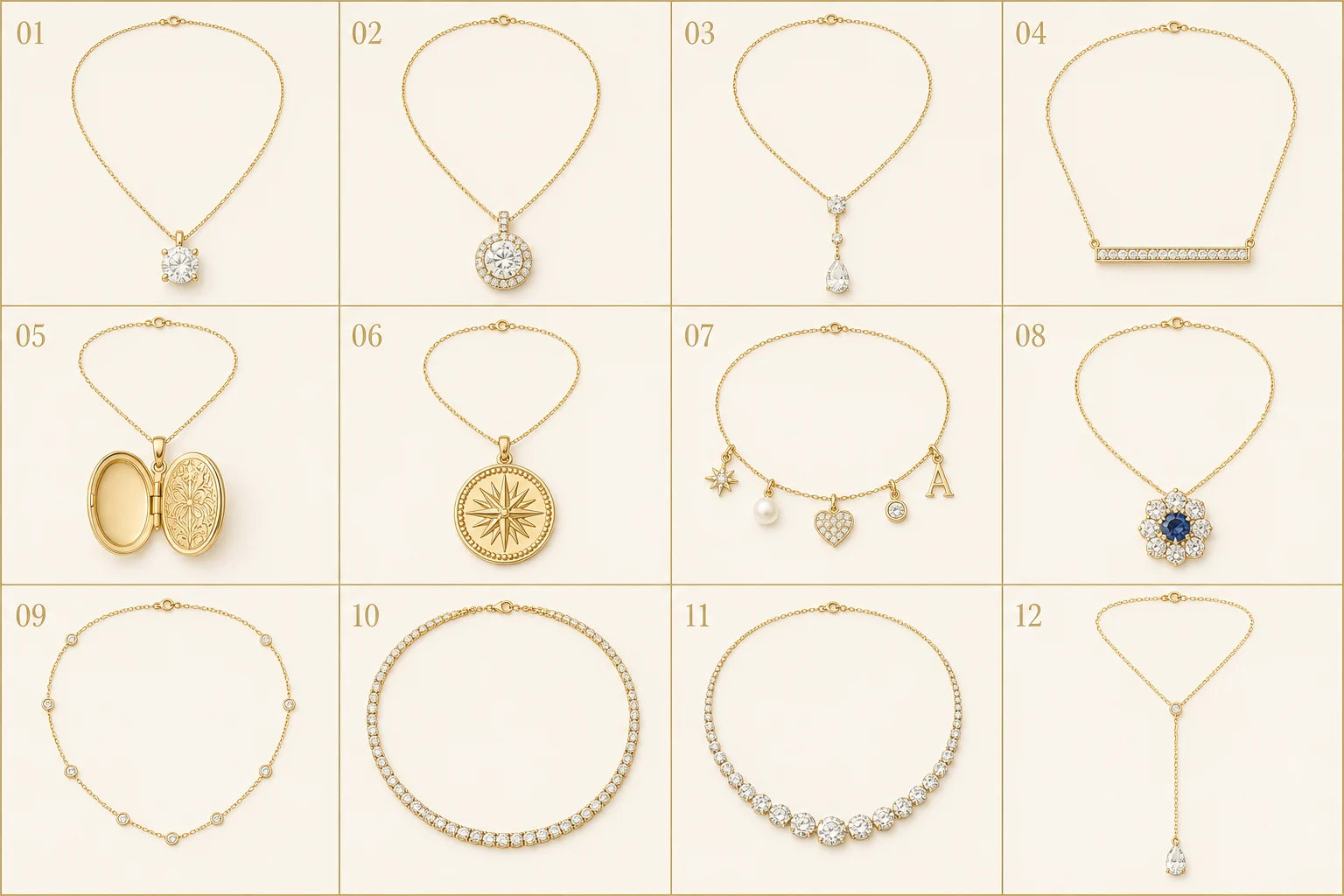
Necklace reference
Compare 24 designs, from pendants, stations, tennis lines, and lariats to chokers, collars, bibs, strands, torques, and sautoirs.
Read the guide →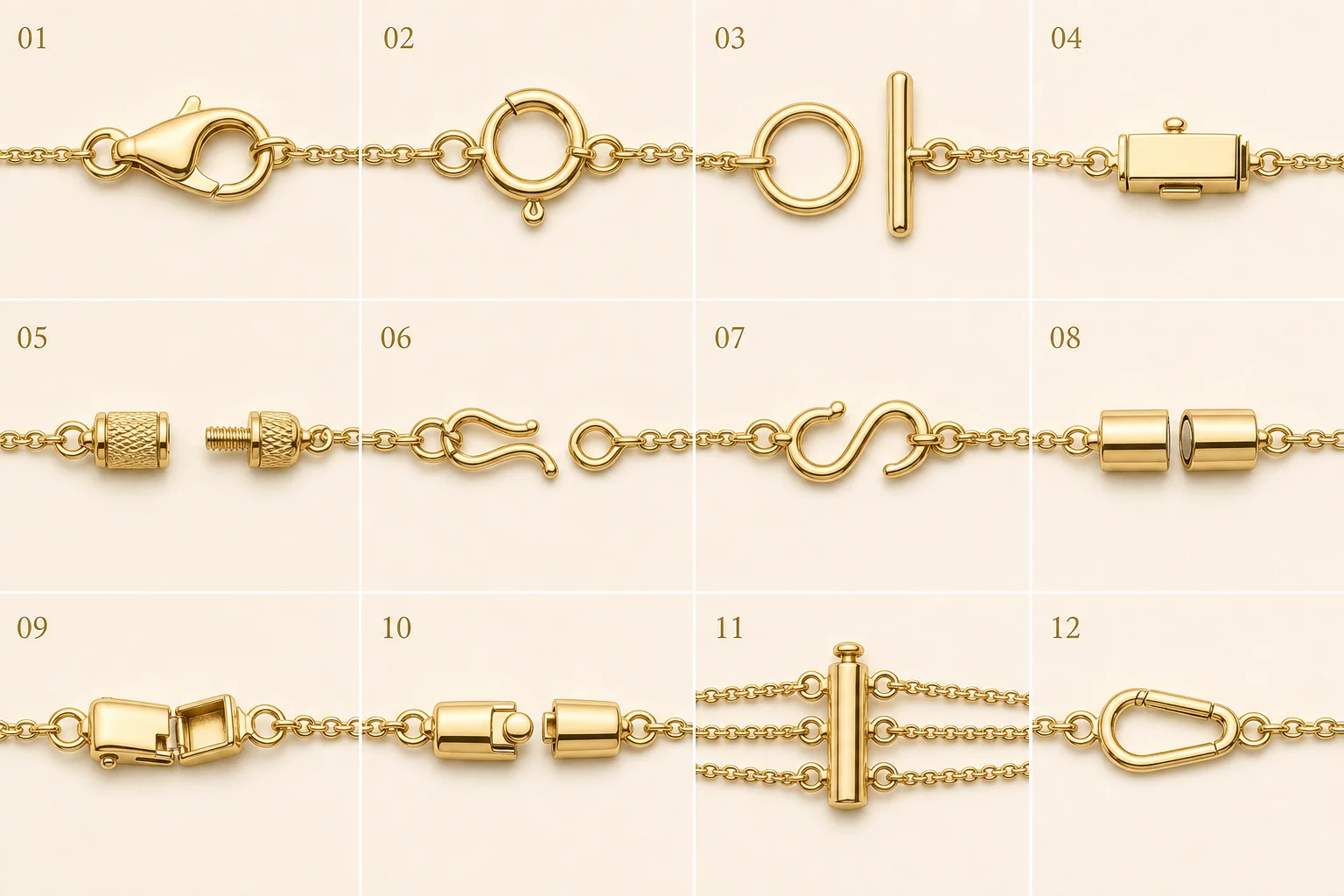
Closure reference
Compare 20 distinct clasp mechanisms, constructions, specialty applications, and decorative forms.
Read the guide →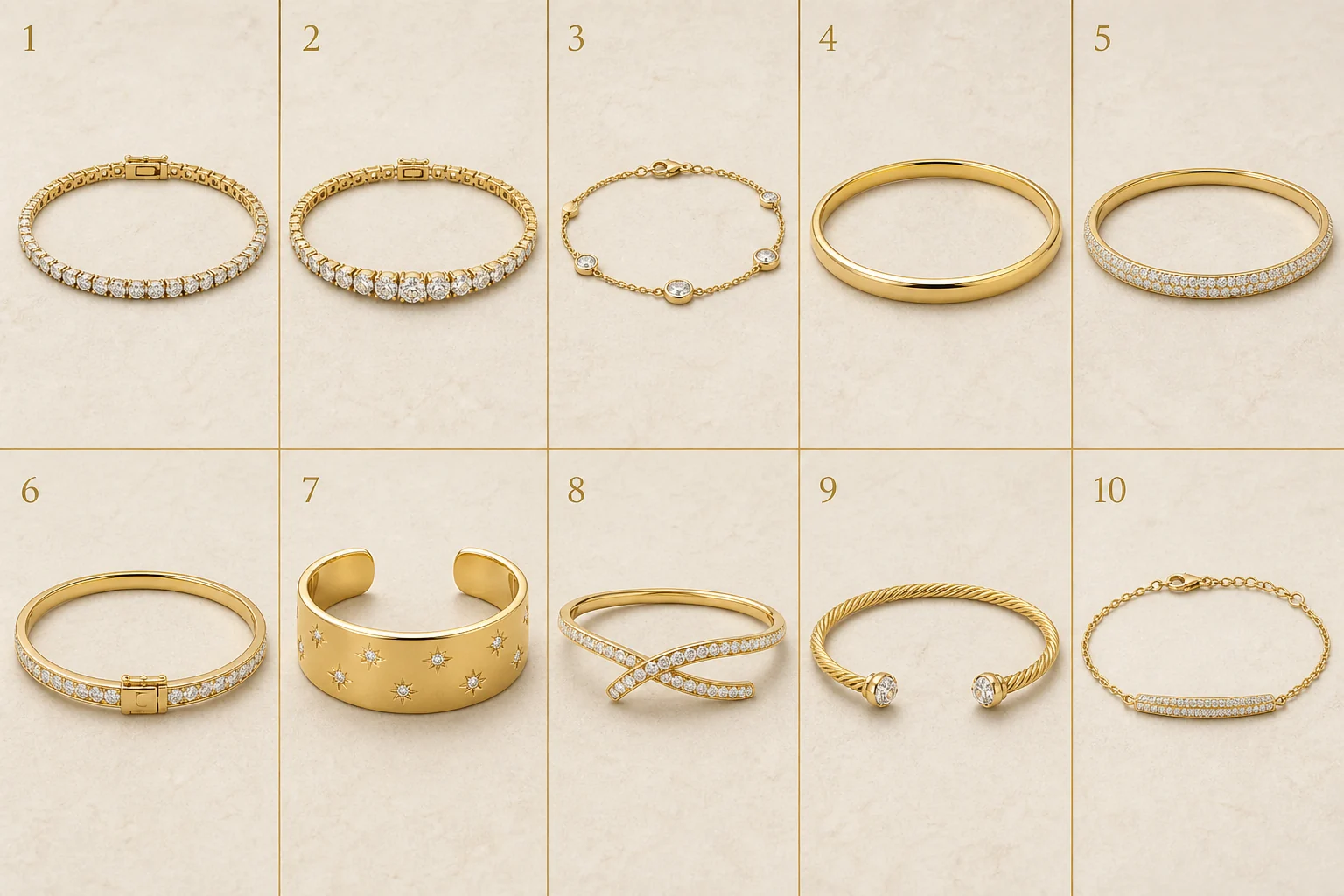
Bracelet reference
Compare 11 useful designs, from tennis bracelets, bangles, and cuffs to bypass, bar, and gemstone cluster bracelets.
Read the guide →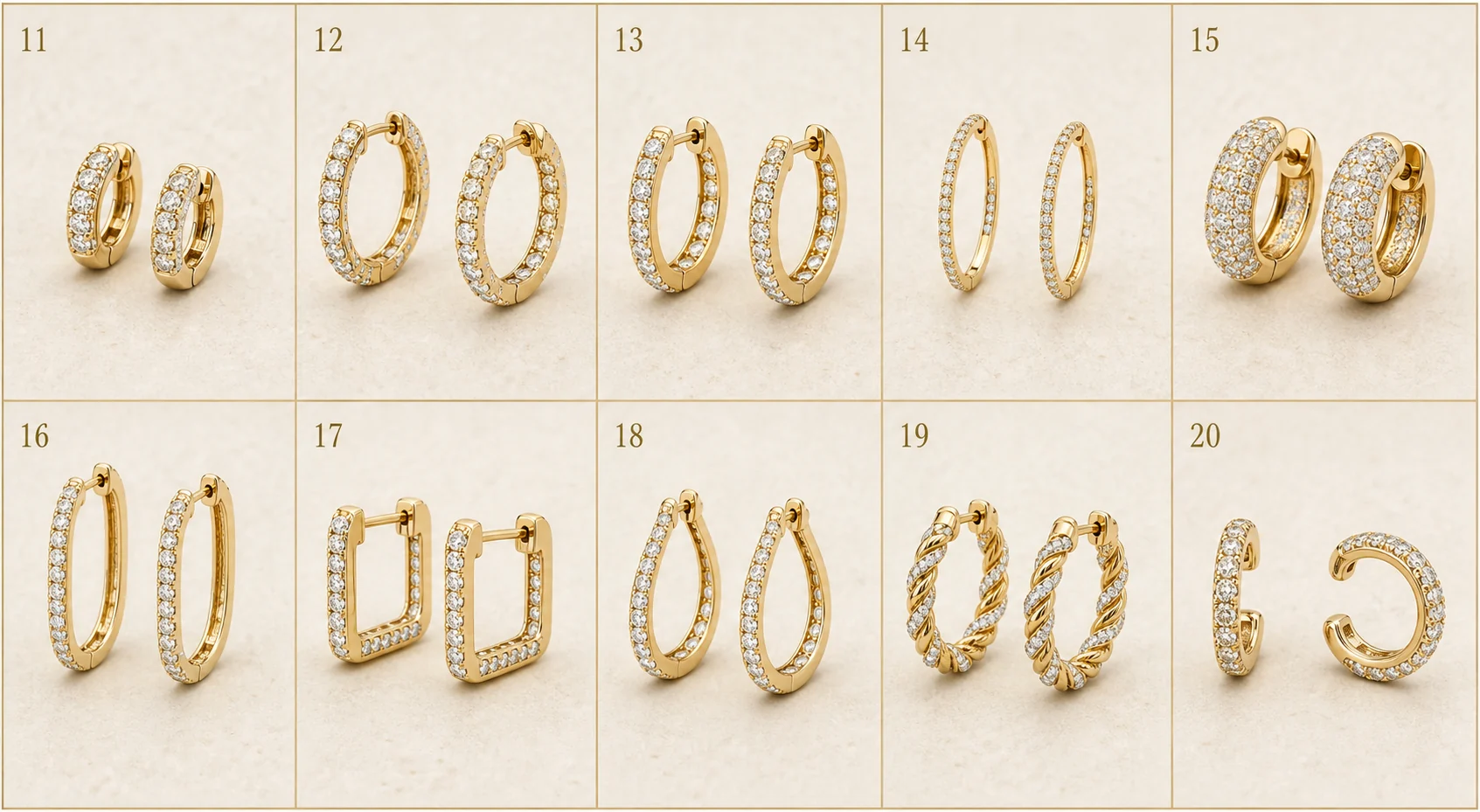
Earring reference
Compare 30 recognizable designs, from studs and diamond hoops to climbers, threaders, chandeliers, and jhumkas.
Read the guide →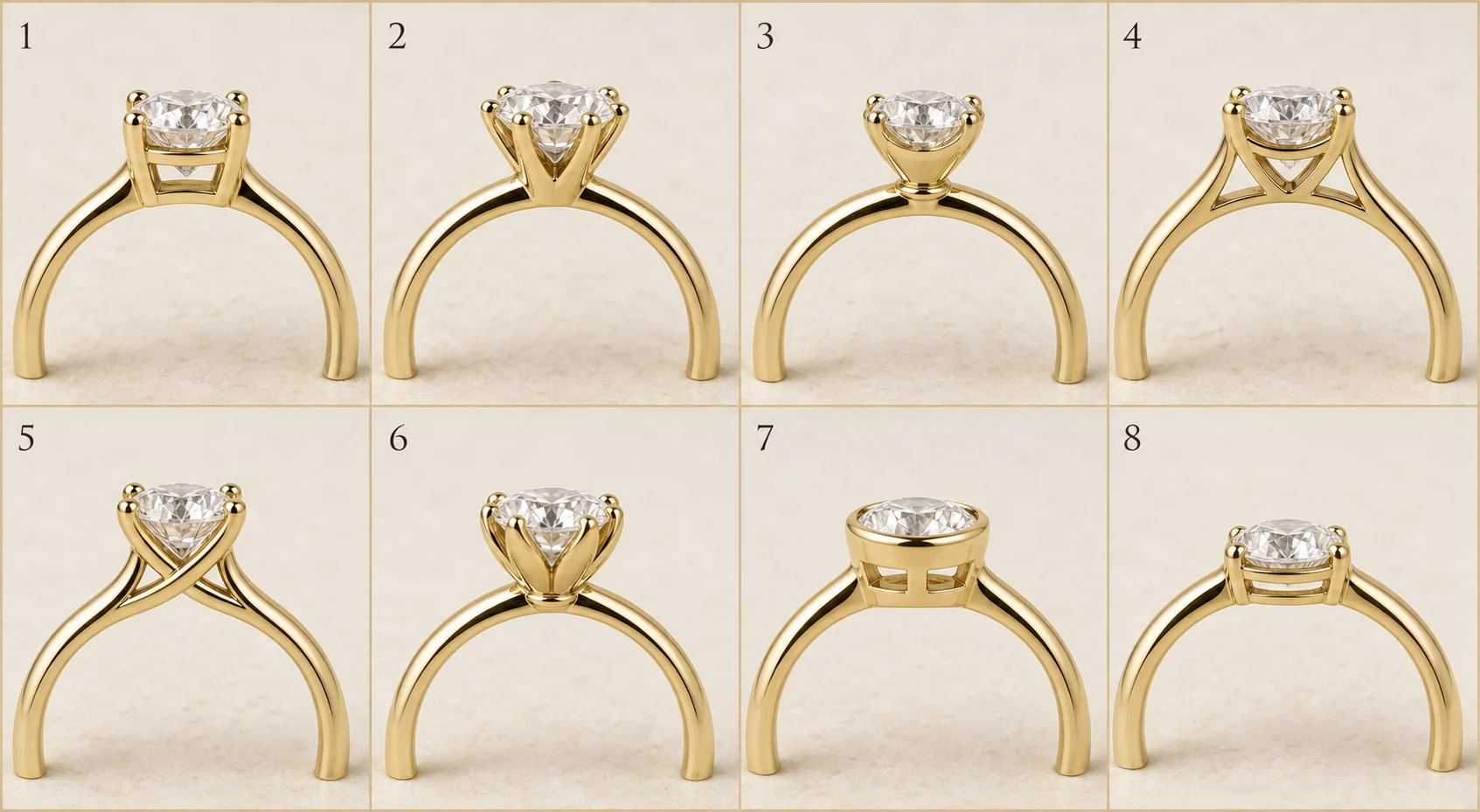
Construction reference
Compare eight structures that hold and present one featured center stone.
Read the guide →
Style reference
Compare 32 classic, sculptural, purpose-led, and setting-led designs—including bezel, pavé, flush, bar, and tension-style rings.
Read the guide →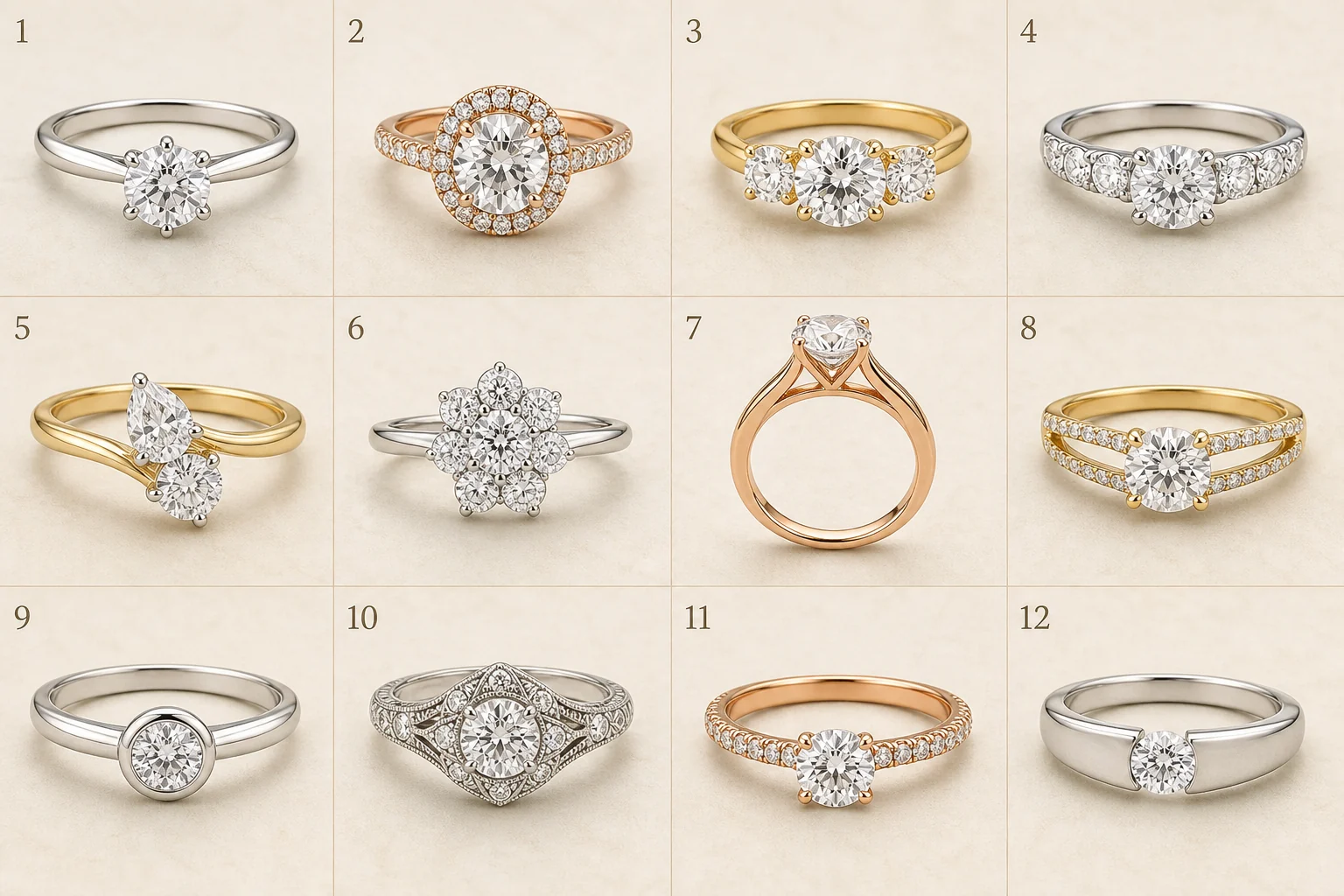
Engagement-ring reference
Compare 12 popular designs, from solitaire and halo to split-shank, vintage, pavé, and tension styles.
Read the guide →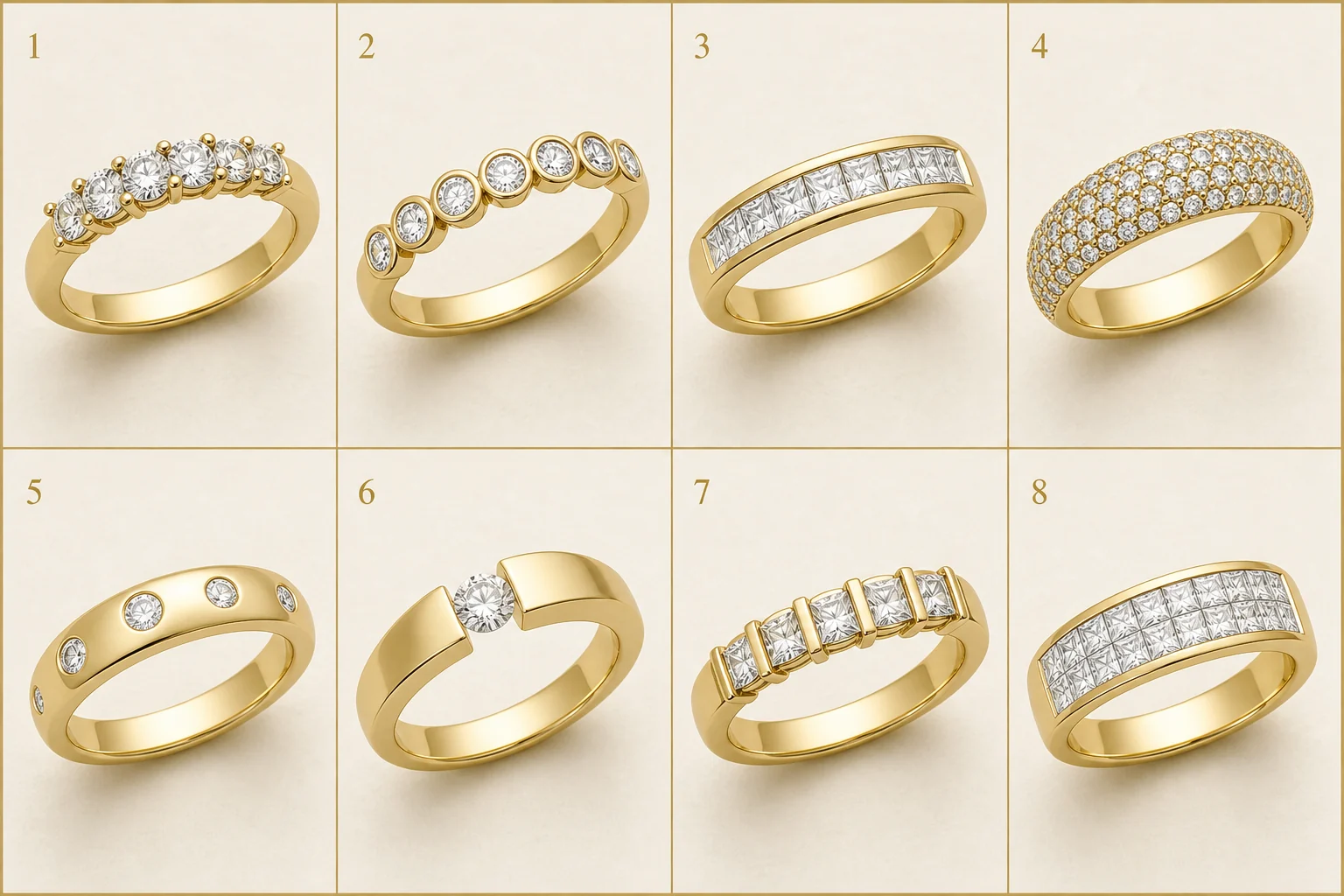
Setting reference
Compare prong, bezel, channel, pavé, flush, tension-style, bar, and invisible settings.
Read the guide →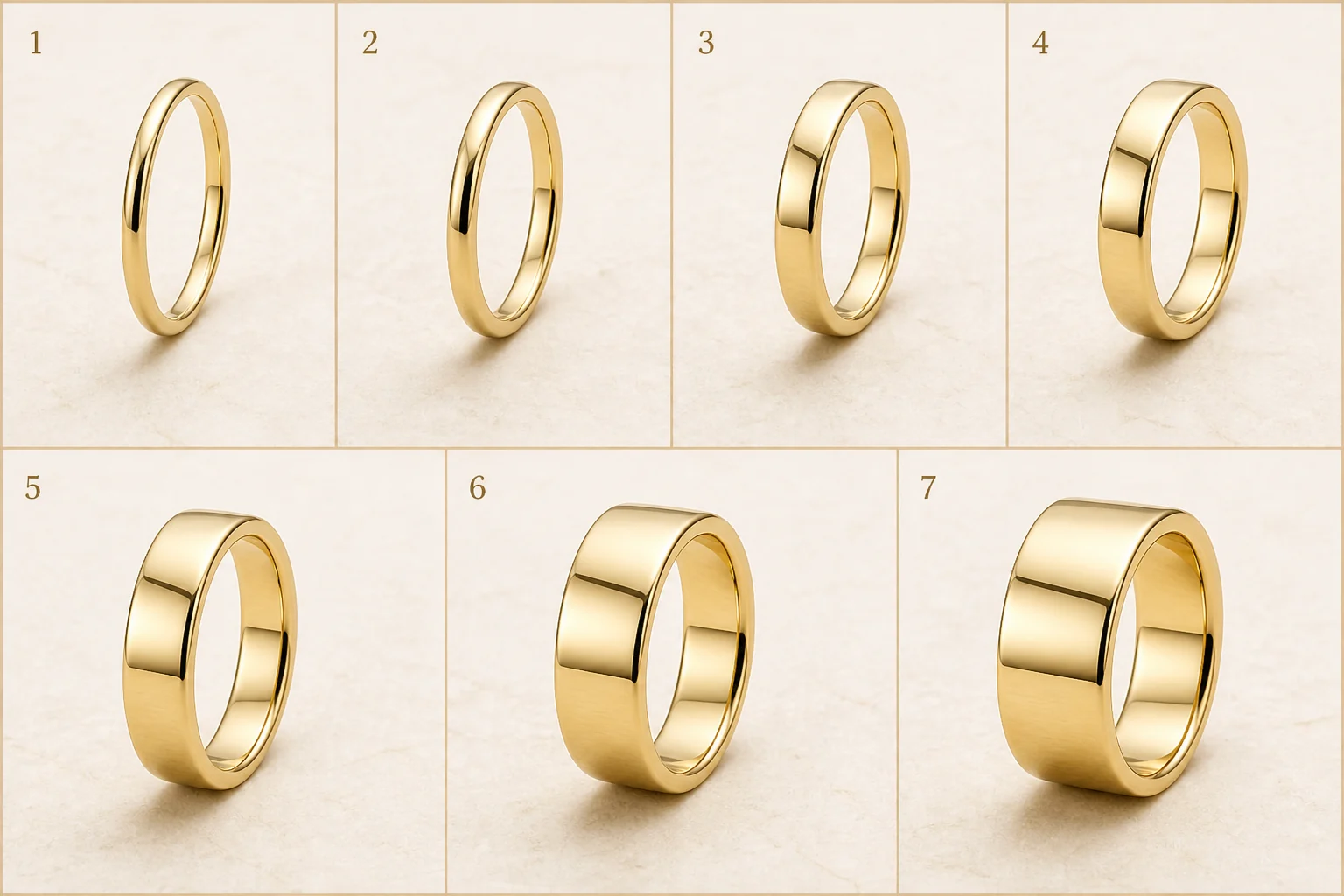
Sizing reference
See how band width, inside profile, stacking, and finger shape affect appearance and comfort.
Read the guide →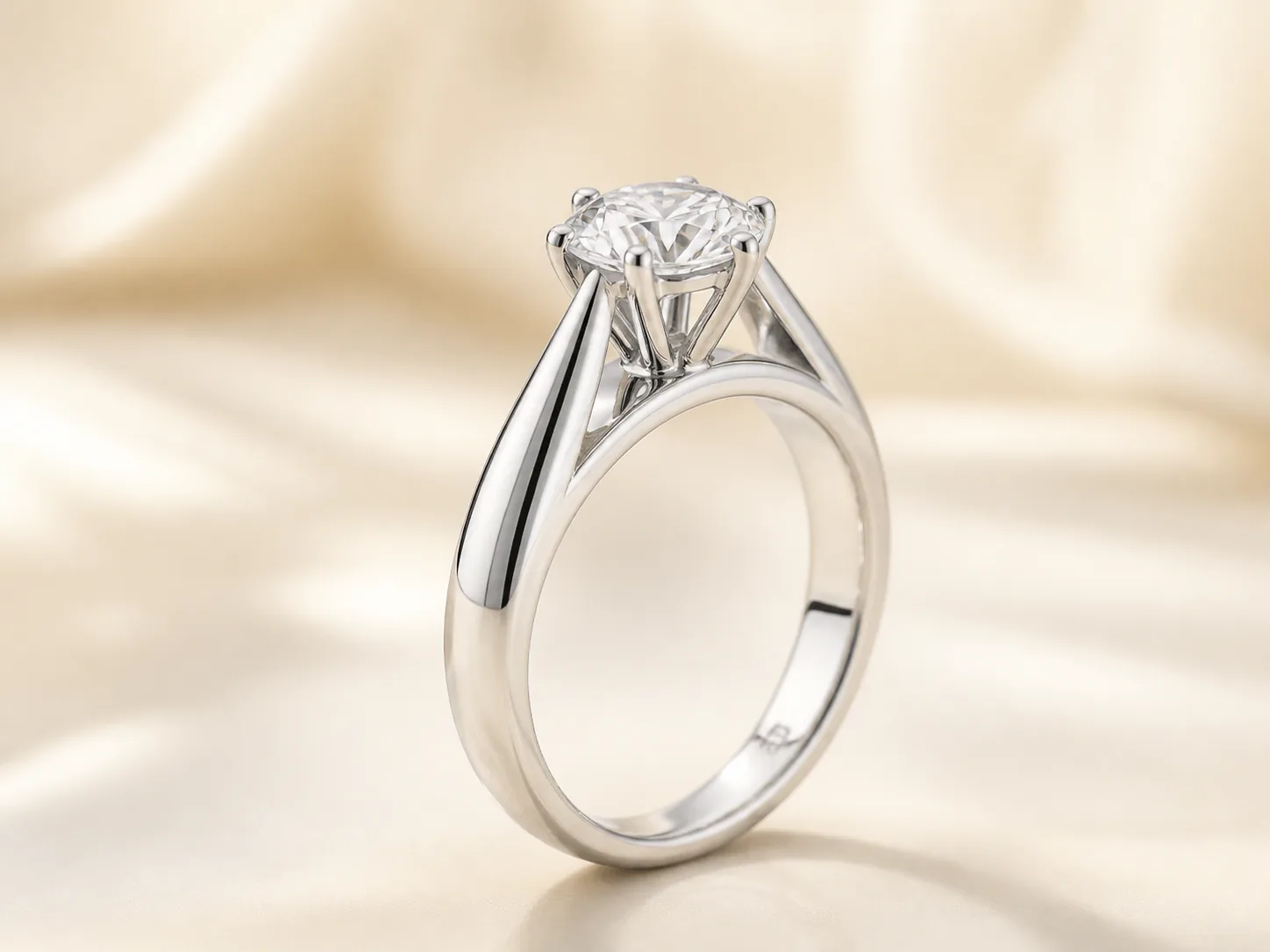
Jewelry anatomy
Identify the center stone, prongs, head, gallery, cathedral shoulders, shank, hallmark, and sizing area.
Read the guide →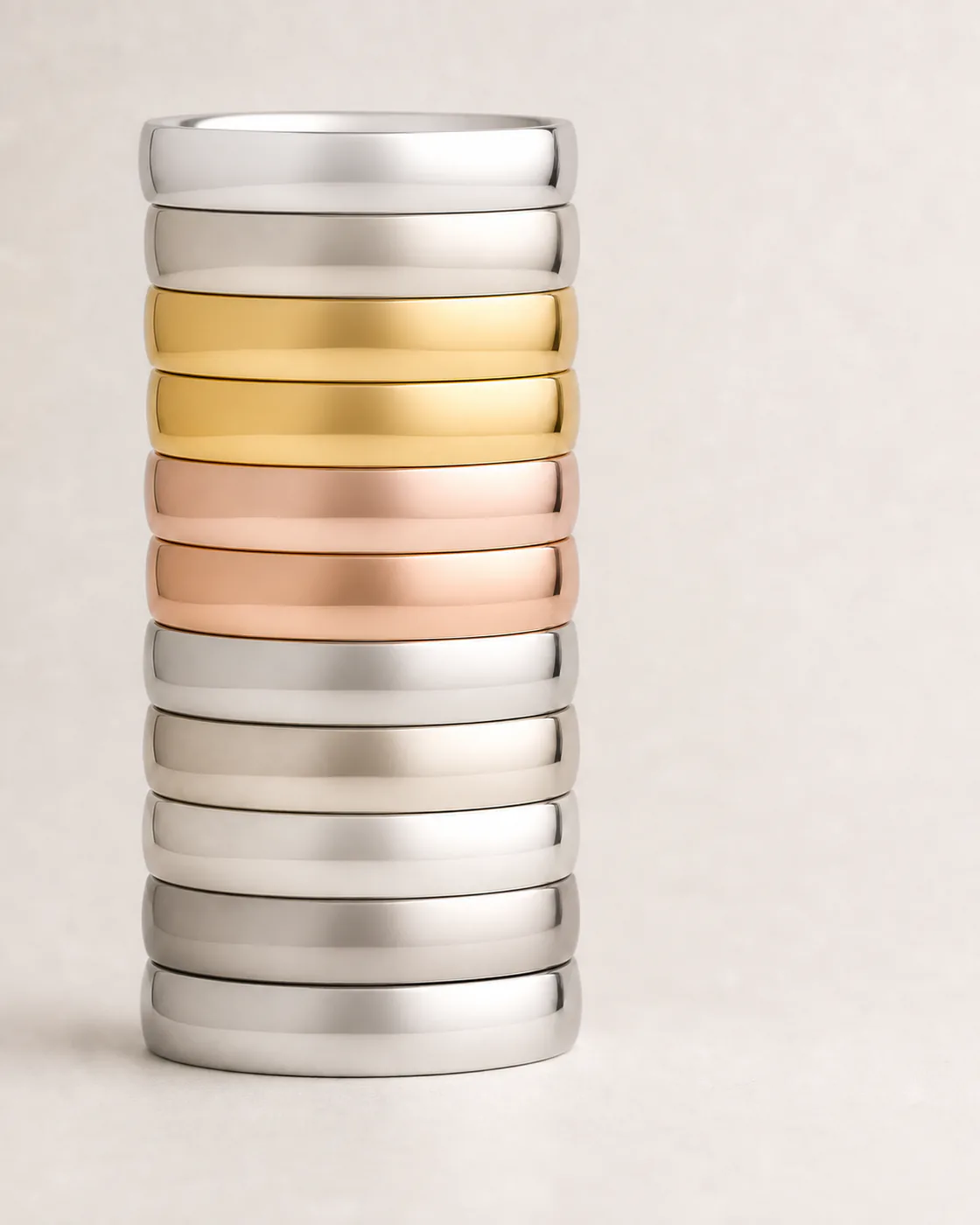
Materials reference
Compare gold colors and purity, platinum, palladium, sterling silver, and rhodium plating.
Read the guide →Terminology reference
Understand the difference between gold purity and gemstone weight—and how each should appear in a jewelry specification.
Read the guide →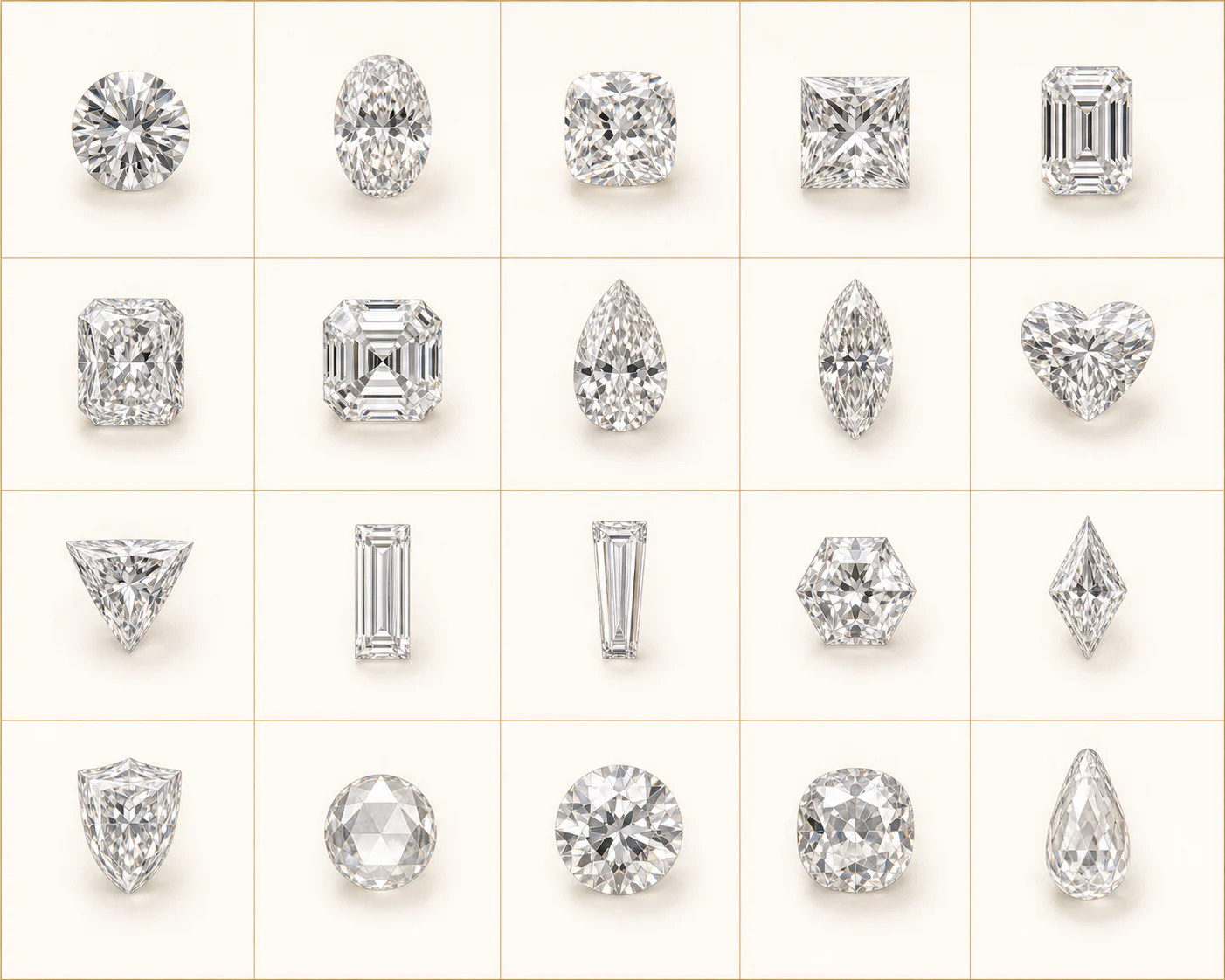
Diamond shape reference
Compare 20 classic, geometric, specialty, and antique cuts in one visual guide.
Read the guide →Diamond reference
Compare popular diamond shapes and understand cut, color, clarity, and carat weight.
Read the guide →Stone comparison
Compare natural and lab-grown diamonds with moissanite and cubic zirconia.
Read the guide →Gemstone reference
Explore the recognized stones for all 12 months and their alternative choices.
Read the guide →Explore by subject
We are beginning with the subjects most useful when discussing design, production, quality, and customer expectations. Additional guides will be added over time.
Turn a reference into a real project
Share the style, setting, material, stone, or construction details you are considering. We’ll help translate the reference into a workable jewelry specification.
Discuss your project